Panevėžys
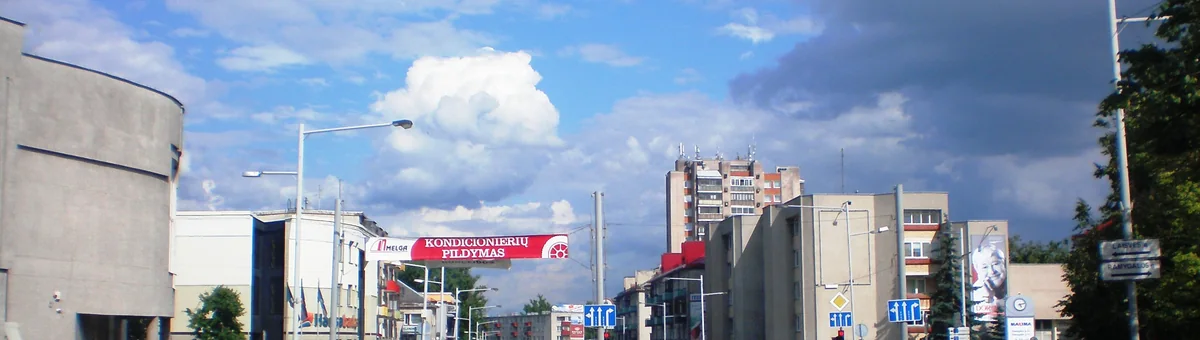
Lithuania's fifth city sits on the Nevėžis river in the Aukštaitija region. It is quieter than Vilnius or Kaunas, with a strong theatre tradition, riverside walks and straightforward access to the lake country to the east.
Panevėžys city centre Lithuania
Panevėžys at a glance
Top attractions in Panevėžys
Practical tips for visiting Panevėžys
Panevezys is well connected by bus and rail from both Vilnius (around 1.5 hours) and Kaunas (around 1.5 hours). It works well as a stop on a longer road trip through northern Lithuania, combining with the Hill of Crosses in Siauliai and a detour into Aukstaitija National Park. The city is compact and easy to navigate on foot.
Food and drink in Panevėžys
Panevezys has an unpretentious local food culture. The city centre has a selection of restaurants serving traditional Lithuanian food alongside more international options. The Saturday market near the city centre is worth visiting for local produce, honey, mushrooms, berries, and dairy products from nearby farms. If you are visiting in summer, the berries and mushrooms from the Aukstaitija region are exceptional.
A city on its own terms
Panevėžys does not try to be Vilnius. It does not have a UNESCO old town or a famous castle. What it has is a comfortable, well-run city of 88,000 people on the banks of the Nevėžis river, a world-famous drama theatre, good cycling infrastructure, and easy access to some of the most beautiful lake country in the Baltics. For visitors willing to explore beyond the famous sights, it offers a genuine, unhurried look at Lithuanian city life.
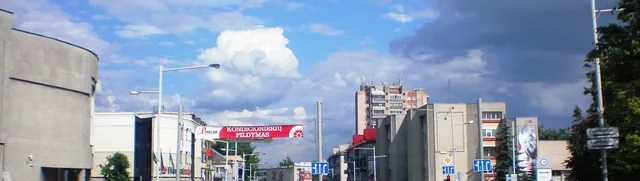
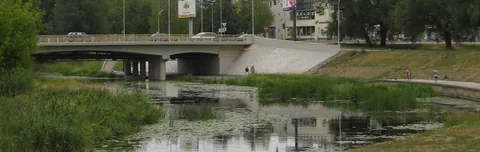
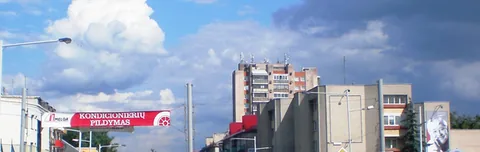
The city was heavily damaged in both world wars and rebuilt under Soviet planning, which means the centre has a grid-like structure with wide boulevards rather than a medieval maze. This actually makes it very pleasant to navigate on foot or by bicycle. The riverside parklands are the city's green spine, and on a warm day they fill with walkers, cyclists, and families in a way that gives a clear and unposed picture of ordinary Lithuanian life.
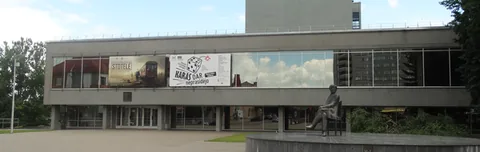
The main reason visitors seek out Panevėžys is the Juozas Miltinis Drama Theatre, and this reputation is entirely deserved. Miltinis founded the theatre in 1940 after training in Paris under the influential director Charles Dullin. He developed a distinctive acting method that emphasised psychological depth and ensemble work, and the theatre became internationally renowned during the Soviet period when Lithuanian drama was one of the few forms of cultural expression that could speak with some freedom. Seeing a production here remains one of the most distinctive cultural evenings available in Lithuania.
The Aukštaitija gateway
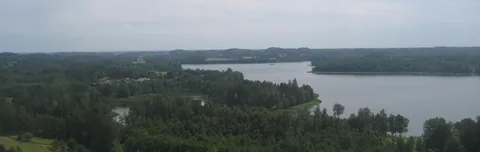
About 60 kilometres east of Panevėžys, Aukštaitija National Park is Lithuania's oldest national park and, for many visitors, its most beautiful. The park covers around 400 square kilometres of lake-dotted highlands with ancient forests of pine, spruce, and birch. There are hundreds of lakes of every size connected by rivers and streams, making it one of the best kayaking destinations in the Baltics. Walking trails, cycling routes, and traditional wooden farmstead museums round out the offer.
Ignalina or Palūšė is the easier place to stay if Aukštaitija National Park is your main goal. Panevėžys is better treated as a northern Lithuania city stop; the drive to the Ignalina side of the park is over two hours, so it is not a quick day-trip base. In summer, book accommodation inside or near the park well in advance.
Getting there
Panevėžys is around 135 kilometres from Vilnius and 145 kilometres from Kaunas, roughly 1.5 hours by bus or car from either. Buses run several times daily from both cities. The city itself is compact and navigable on foot; bicycle rental is available in the centre. For Aukštaitija National Park, a car is the most practical option, though summer bus services do run from Panevėžys to Ignalina.