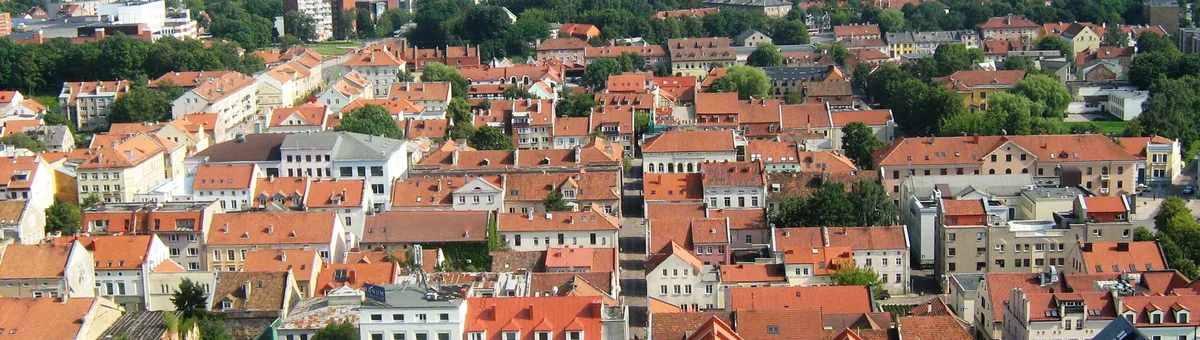
Klaipėda
Lithuania's only seaport sits on the Curonian Lagoon, where it meets the Baltic Sea. Part Hanseatic heritage town, part busy working port, Klaipeda is also the gateway to one of the most remarkable natural landscapes in Europe: the Curonian Spit.
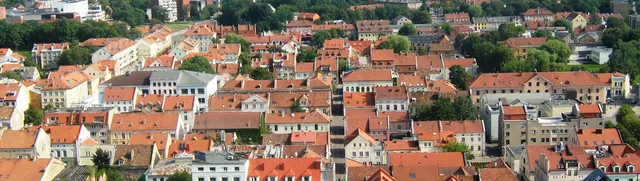
Klaipeda harbour and old town Lithuania
Use Klaipėda as the practical coast gateway
Klaipėda is the best place to stay if you want the Curonian Spit ferry, lower hotel prices than Nida, an evening city centre and easy onward transport. Stay in Nida instead if the dunes are the whole point of the trip; stay in Palanga if you want a classic beach resort.
Best for one Spit day
Take the old-port foot ferry, bus or bike to Nida, then return for dinner in Klaipėda Old Town.
Curonian Spit guideBest for cheaper coast hotels
Klaipėda usually costs less than Nida in summer and has more rooms, parking and late food options.
Where to stay in KlaipėdaKlaipėda at a glance
Top attractions in Klaipėda


Practical tips for visiting Klaipėda
Klaipeda is around 3 hours from Vilnius and 2 hours from Kaunas by bus or car. For the Curonian Spit, use the Old Ferry Terminal for pedestrians and bicycles and the New Ferry Terminal for vehicles; check the current Smiltynės perkėla timetable before you go. The best accommodation for exploring both the city and the Spit is right in Klaipeda centre.
Food and drink in Klaipėda
The city has a strong culture of fish and seafood, reflecting its role as a port. Beyond smoked fish from the market, look for zuviene (a hearty fish soup) in local restaurants, and fresh Baltic herring served in various preparations. The Old Town has a handful of excellent restaurants, and the area around the Old Ferry Port has lively bars and casual eateries that do particularly well on warm evenings when half the city seems to be sitting outside.
Lithuania's window on the sea
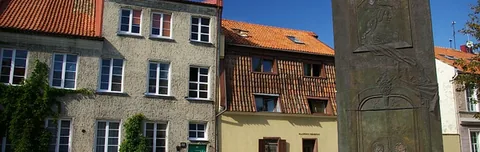
Klaipėda stands apart from every other Lithuanian city. It is a port, a working harbour city with cranes on the skyline and the smell of salt water in the air. For centuries it was called Memel and belonged to the German world, first as part of the Prussian kingdom, then within the German empire. The German character is still visible in the half-timbered buildings of the old town, in the street plan, and in the architectural detail that survived the wartime destruction.
Lithuania only gained the city in 1923, when an armed uprising by Lithuanian irregulars expelled the French administration that had been running it under a League of Nations mandate since the end of the First World War. It was briefly annexed back to Germany in 1939, then retaken by the Soviets in 1945. By the time Lithuania became independent in 1990, Klaipėda had been through more political transformations than almost any city its size on earth.
Today it is simply the gateway to everything that makes the Lithuanian coast special. The Curonian Spit, the old fishing villages, the sand dunes, the amber beaches: all of it starts with a five-minute ferry ride from the old harbour.
The Curonian Spit: a world apart
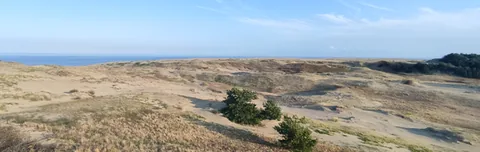
The Curonian Spit (Kuršių nerija in Lithuanian) is a narrow peninsula stretching 98 kilometres along the Baltic coast. The Lithuanian section covers around 50 kilometres. It is a UNESCO World Heritage Site, and the moment you step off the ferry you understand why. The landscape is unlike anything else in the country: towering sand dunes that rise to 60 metres, ancient pine forests, small fishing villages painted in traditional colours, and the constant sound of wind and waves from both sides of the peninsula.
The best way to explore the Spit is by bicycle. A dedicated cycle path runs the full length of the Lithuanian section, passing through the villages of Smiltynė, Juodkrantė, Pervalka, Preila, and ending at Nida, the most famous and most beautiful of them all. Nida has Thomas Mann's summer house (now a museum), the Parnidis Dune with its dramatic views, and several excellent restaurants. Give yourself a full day at minimum.
Getting there
Klaipėda is around 3 hours from Vilnius and 2 hours from Kaunas by bus or car. The A1 motorway runs most of the way. For the Curonian Spit, pedestrians and cyclists use the Old Ferry Terminal in the city centre, while cars use the New Ferry Terminal. Check current Smiltynės perkėla times and fares before you go. In summer, booking accommodation in Nida in advance is strongly recommended.
Plan this trip in one place
Use this guide to choose the best area, compare hotels, and book the tours and activities visitors usually reserve first.
Where to stay in Klaipėda
Book the Old Town for ferry access and evening dining, or choose a seaside hotel if your trip focuses on beaches and the Curonian Spit.
- Prioritize central locations with flexible cancellation.
- Book early for summer weekends and major festivals.
- Check breakfast, parking, and airport transfer options.
Best for location
Stay central if this is your first trip and you want to cover the main sights on foot.
Best value
Neighbourhoods just outside the postcard core usually offer larger rooms and easier parking.
Best for tours and activities
Book one signature tour early, then leave room for food, cafés, and spontaneous wandering.