Spend two nights in Vilnius for the UNESCO Old Town, take a half-day to Trakai island castle, then head west, Kaunas for modernist architecture, Klaipėda for the seafront and the Curonian Spit dunes, and the Hill of Crosses near Šiauliai if you have a car. Five days fits comfortably, seven is plenty, ten lets you add a sodyba sauna weekend in the lakes.
Old Town walking tours, food tastings, and Curonian Spit day trips are the highest-rated options.


Pick the right trip shape first
Lithuania is compact, but the best route changes a lot depending on whether you have a car and whether the coast matters. Use this before diving into the full list.
3 days: Vilnius + Trakai
Best for a first city break. Stay in Vilnius Old Town or Naujamiestis and treat Trakai as the one easy day trip.
Use the Vilnius itinerary5 to 7 days: add Kaunas and coast
Best overall route. Take Vilnius first, Kaunas second, then Klaipėda or Nida for the Curonian Spit. A car helps after Kaunas.
Plan the coast leg10 days: slow loop + sodyba
Best if nature matters. Add Žemaitija, Aukštaitija lakes, Druskininkai or a sauna weekend instead of rushing every city.
Choose a stay typeTwelve experiences worth building a trip around
These are the things travellers actually mention weeks after they get home. The order below assumes a Vilnius-first itinerary.
Wander Vilnius Old Town
Vilnius packs roughly 4 km of UNESCO-listed cobblestone streets into one of the largest preserved Old Towns in Eastern Europe. Start at the Cathedral Square, walk Pilies street to Town Hall, and detour up to Gediminas Tower for a 360° view that takes in baroque domes, the Neris river, and the modern skyline across the water. Allow at least a full day; two if you also want time for the museums.
Open the Vilnius city guideCross into the Republic of Užupis
Užupis is a riverside district in Vilnius that declared itself an "independent artists' republic" in 1997. There is a constitution nailed to a wall, an angel sculpture in the central square, and a concentration of small galleries, courtyards, and restaurants. The crossing only takes a minute on foot from the Old Town and gives you the most photogenic side of the city.
See the 3-day Vilnius itineraryTake the Trakai island-castle day trip
Half an hour west of Vilnius, the red-brick Trakai castle sits on its own island in the middle of Lake Galvė. It is the most photographed building in Lithuania for good reason. Combine the castle with a paddle-boat hour on the lake and a stop at one of the Karaim restaurants for hand-folded kibinai pastries.
Read the Trakai day-trip guideSee modernist Kaunas (UNESCO 2023)
Lithuania's second city was the temporary capital between 1919 and 1939, and the streets fill with the bold inter-war modernist architecture from that period. UNESCO listed the Modernist Kaunas urban ensemble in 2023. Walk Laisvės alėja, then visit the Ninth Fort memorial on the city's edge for sobering WWII history.
Open the Kaunas travel guideVisit the Hill of Crosses near Šiauliai
A small hill outside Šiauliai covered in over 100,000 crosses left by pilgrims and visitors over more than 200 years. It survived being bulldozed twice during Soviet rule and has become one of the most visually arresting religious sites in Europe. Easiest with a car or as a stop on a guided tour from Vilnius.
Browse Lithuania toursWalk the Curonian Spit dunes from Nida
A 98 km sand bar separates the Baltic Sea from a freshwater lagoon, half of it Lithuanian and half Russian-controlled. Nida village on the Lithuanian side has wooden fisher houses, the Thomas Mann summer cottage, and access to the Parnidis dune, a sand mountain so big it has its own sundial. Reach it via a short ferry from Klaipėda.
Read the Curonian Spit guideExplore Klaipėda Old Town and the seafront
The only Lithuanian city with a clear German Hanseatic heritage. The Old Town is small but characterful, with timber-framed houses, the Annika fountain, and a working ferry terminal that takes you across to Smiltynė for the dolphinarium and beach forest paths.
Open the Klaipėda travel guideEat your way through traditional Lithuanian cuisine
Try cepelinai (potato dumplings stuffed with meat or curd), šaltibarščiai (the famous bright-pink cold beetroot soup, summer only), kibinai pastries from Trakai, kepta duona (deep-fried garlic rye), and sakotis tree-cake at any wedding bakery. Most major cities have at least one tasting-menu restaurant doing modern takes on these traditional ingredients.
Read the Vilnius food guideSoak in a sodyba sauna by a lake
A "sodyba" is a Lithuanian rural homestead, often rented for weekends. The classic combination is a wood-fired sauna, a quick plunge in the lake, herbal tea on the porch, and a slow dinner of smoked fish and home-baked bread. The Aukštaitija lake region in the north-east is the heartland.
Open the Aukštaitija region pageWalk the Anykščiai treetop path
A 300-metre elevated walkway through the pine forest canopy ending in a 35-metre observation tower. The site also has Lithuania's longest narrow-gauge railway and a literary heritage museum. A great half-day add-on if you are driving between Vilnius and the lake region.
Find inland Lithuania routesSlow down in Druskininkai
Lithuania's leading spa town sits on the Nemunas river in the south. Mineral baths, a snow arena (year-round), the open-air Grūtas Park (a Soviet sculpture park, half theme park, half memorial), and quiet pine-forest walking paths. Two days works well.
Open the Dzūkija region pageSee the Plokštinė Soviet missile base
A decommissioned underground nuclear missile silo, hidden in Žemaitija National Park, that once held R-12 missiles aimed at Western Europe. Now a Cold War museum you can walk through. Pair it with a swim in nearby Lake Plateliai and a meal in Plungė.
Open the Žemaitija region pageAt a glance: when to go, what it costs, how to move
Best time to go
Late May to early September is the best window, long days (sunset past 22:00 in June), warm evenings, every museum and rural sodyba open. July is peak; June and September are quieter and cheaper. Winter is genuinely cold (-5 °C average, snow on the ground December to February) but Vilnius Christmas Market in Cathedral Square is one of Europe's best, and saunas feel even better at -10 °C. Avoid November and early March: short days, grey skies, many seasonal venues closed.
What it costs (per person, per day)
Backpacker: €45-65 (hostel dorm, supermarket meals, public transport). Mid-range: €90-140 (3-star hotel, 1-2 sit-down meals, a paid attraction). Comfortable: €180-280 (4-star Old Town hotel, tasting-menu dinner, a guided tour, occasional taxis). Lithuania is roughly 25-35% cheaper than Western Europe; expect Vilnius to be the most expensive stop.
How to get around
Trains and intercity buses connect every major city; Vilnius–Kaunas takes 1h 15m, Vilnius–Klaipėda 4h. Lux Express and Ecolines run comfortable coaches. For the Curonian Spit and the Hill of Crosses you really want a rental car (€30-50 per day). Bolt is the local Uber and works in every city. English is widely spoken among under-40s in cities; less so in the countryside.
How long do you need? 3, 5, 7 and 10-day routes
3-day weekend (Vilnius-only)
Best for a city break. You will see the capital well and squeeze in one day-trip.
Day 1: arrive, check in, walk the Old Town from Cathedral Square to Town Hall, dinner near Pilies street. Day 2: Gediminas Tower for the morning view, MO Museum for modern Lithuanian art, lunch in Užupis, evening food tour or tasting-menu dinner. Day 3: half-day to Trakai by train or guided tour, kibinai for lunch by the lake, return to Vilnius for departure.
5-day classic (Vilnius + Kaunas + coast)
The most popular shape. Two cities and the seafront, no rural detours.
Days 1-2: Vilnius as above. Day 3: train to Kaunas, walk Laisvės alėja, see the Ninth Fort, sleep in Kaunas. Day 4: onward bus or train to Klaipėda, afternoon in the Old Town, evening seafood. Day 5: ferry to Smiltynė, drive or bus to Nida for the dunes, return for evening departure (consider flying home from Palanga rather than back-tracking to Vilnius).
7-day Lithuania loop (recommended)
The version that lets you slow down and adds the country's two most distinctive landscapes.
Days 1-2: Vilnius + Trakai. Day 3: Kaunas (Laisvės alėja, modernist architecture walk). Day 4: drive north to the Hill of Crosses, continue to Klaipėda. Day 5: full day on the Curonian Spit (Nida dunes, fisher villages, Parnidis dune sunset). Day 6: drive east via Žemaitija (Plokštinė missile base or Plateliai lake) to Anykščiai. Day 7: treetop walk, return to Vilnius for departure.
10-day deep dive (cities + nature + sauna)
For travellers who want a proper week-and-a-bit of Lithuania, including a slow weekend in the lake region.
Days 1-7 follow the 7-day loop above. Day 8: drive to the Aukštaitija lake region, check into a sodyba. Day 9: sauna day, lake swim, slow dinner; optional canoe morning. Day 10: drive back to Vilnius via Anykščiai or Druskininkai (south option), overnight, fly out. Add a half-day in Šiauliai if interested in the Bicycle Museum and Saulės mūšio panorama.
Local tips that change your trip
- Tipping 10% in restaurants is generous, not expected. Service is rarely added automatically.
- Cards are accepted everywhere, even in countryside cafés and rural saunas. Carry €20 in cash for tiny markets only.
- Bolt is the local Uber and is reliably 30-40% cheaper than airport taxis. Download it before you land.
- Lithuanian summers can hit 30 °C but evenings are still cool, pack one warm layer even in July.
- In sit-down restaurants you usually seat yourself unless there's a "please wait" sign. Don't hover at the door.
- Trains are more comfortable than buses on the Vilnius–Kaunas–Klaipėda corridor. Book on ltglink.lt.
- The Vilnius Old Town is largely pedestrian, drop your bags at the hotel before bringing a car anywhere near it.
- Lithuanians under 40 speak good English, especially in cities. Older generations more often speak Russian or German than English.
Common mistakes to avoid
- Trying to "see Lithuania" in two days. You can see Vilnius in two days, not the country. Five days is the realistic minimum if you want any sense of variety.
- Skipping the Curonian Spit. The dunes are the most unique landscape in the country and the photo people remember from Lithuania trips.
- Visiting in November or early March. The shoulder months are the worst, short grey days, many seasonal sites closed, no snow either. Winter (December–February) is colder but more atmospheric.
- Not booking Vilnius weekend accommodation in advance. Friday and Saturday nights in summer fill up by Wednesday.
- Underestimating distances if you skip a rental car. The Hill of Crosses, Curonian Spit, and lake-region sodybas are not walkable from train stations.
- Eating only in tourist-strip restaurants. Walk three blocks off Pilies street and prices drop 30% with no quality loss.
- Assuming Lithuania = Russia. It is a separate country with its own language (one of Europe's oldest), its own currency phase-out (now euro), and its own troubled relationship with Soviet history. Avoid the comparison out loud.
Popular places to stay in Lithuania
Vilnius is the easiest first base for most Lithuania trips. Start with these hotel options, then adjust the dates to match your route.
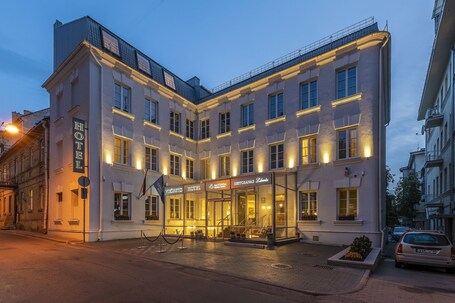 Ratonda Centrum Hotels
€102 1 night View stay
Ratonda Centrum Hotels
€102 1 night View stay
 Moon Garden Old Town Hotel
€76 1 night View stay
Moon Garden Old Town Hotel
€76 1 night View stay
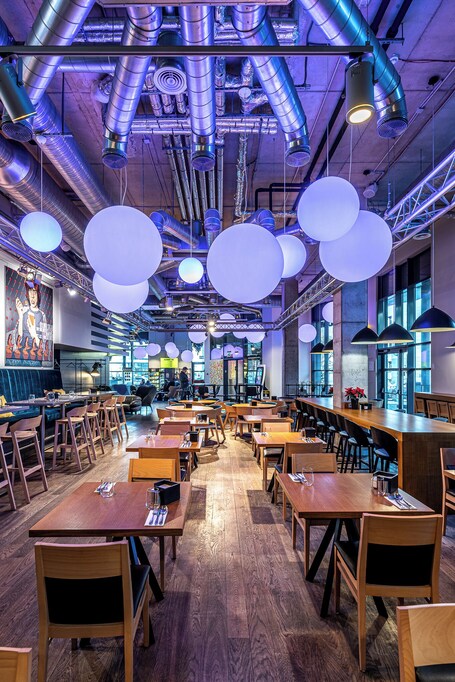 Comfort Hotel LT - Rock 'n' Roll Vilnius
€88 1 night View stay
Comfort Hotel LT - Rock 'n' Roll Vilnius
€88 1 night View stay
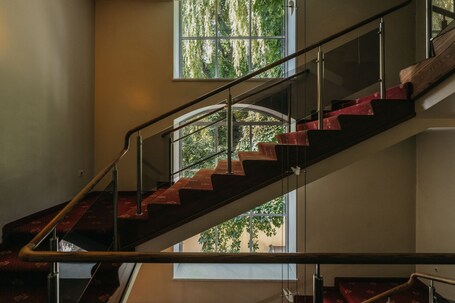 Rinno hotel
€69 1 night View stay
Rinno hotel
€69 1 night View stay
 Corner Hotel
€69 1 night View stay
Corner Hotel
€69 1 night View stay
 Hotel Rinno
€76 1 night View stay
Hotel Rinno
€76 1 night View stay
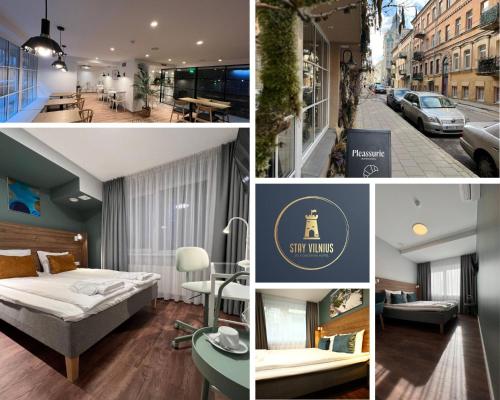 Stay Vilnius Hotel
€66 1 night View stay
Stay Vilnius Hotel
€66 1 night View stay
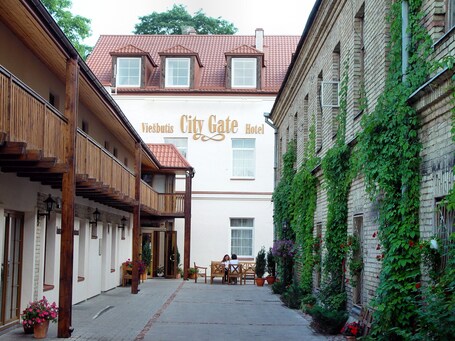 City Gate Hotel
€85 1 night View stay
City Gate Hotel
€85 1 night View stay
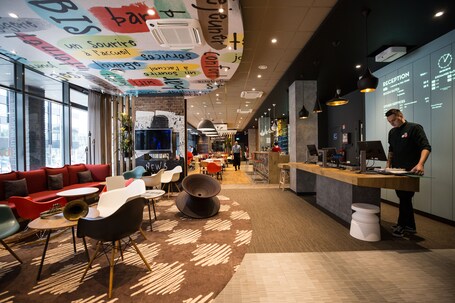 ibis Vilnius Centre
€88 1 night View stay
ibis Vilnius Centre
€88 1 night View stay
 Art City Inn
€72 1 night View stay
Art City Inn
€72 1 night View stay
Frequently asked questions
How many days do I need in Lithuania?
Three days for Vilnius alone, five for Vilnius plus one other city or the coast, seven for a proper loop including the Curonian Spit and the Hill of Crosses. Ten days is ideal if you also want a sodyba weekend.
When is the best time to visit Lithuania?
Late May to early September for the long daylight, warm evenings, and full opening hours. December for the Vilnius Christmas Market and saunas in the snow. Avoid November and early March, short, grey, and many seasonal sites closed.
Is Lithuania expensive?
No. Expect roughly 25-35% cheaper than Western Europe. A comfortable mid-range trip works out to €90-140 per person per day. Vilnius is the most expensive stop, the countryside the cheapest.
Is Lithuania safe for tourists?
Yes. The country ranks among the safer destinations in Europe, especially in Vilnius and the main tourist towns. Standard urban-travel precautions apply. Read our dedicated safety guide for full detail.
Do I need to know Russian or Lithuanian?
No. English works fine in cities for under-40s. A few Lithuanian words ("ačiū" = thank you, "labas" = hello, "prašom" = please) go a long way and are appreciated. Russian is widely understood but politically sensitive, try Lithuanian or English first.
Can I do Lithuania as a day trip from Latvia or Estonia?
You can, but you will only see Vilnius. The bus from Riga is 4 hours each way, from Tallinn 8 hours. If you have less than 36 hours, do Vilnius only. If you have more, the recommended route is Tallinn → Riga → Vilnius over 10 days.
What food should I try?
Cepelinai (potato dumplings), šaltibarščiai (cold beetroot soup, summer only), kibinai (Karaim pastries from Trakai), kepta duona (fried garlic rye), and sakotis (a tall spit-roasted cake). Vilnius and Kaunas both have tasting-menu restaurants doing modern takes on these.