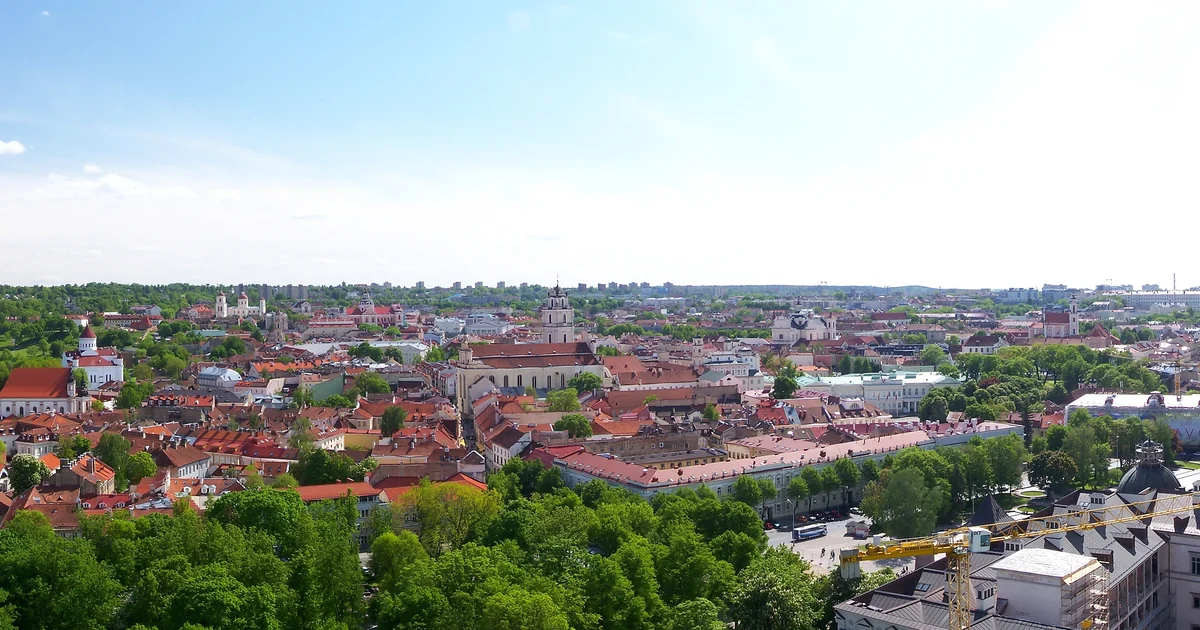
Vilnius is compact enough for a two-day city break, but a three- to five-day stay lets you add Trakai, museums, food, and slower neighbourhood walks. Choose the Old Town for atmosphere and easy sightseeing, or Naujamiestis for better-value modern hotels and quick airport access. Allow at least one full day for the Old Town and Užupis, a half-day for Trakai (28 km away), and time for Vilnius Cathedral, Gediminas Tower, the Gate of Dawn, and the city's cafe culture. May to September is the best window.
The highest-converting options are Old Town walking tours, food tastings, hot-air balloon experiences, and half-day trips to Trakai Castle.


Choose the right Vilnius guide
Need a day-by-day plan?
Use the 3-day itinerary for the exact order: Old Town, Užupis, museums, food and Trakai without backtracking.
Open itineraryNeed a hotel decision?
Use the stay guide if you are choosing Old Town, Naujamiestis, Užupis or a quieter riverside base.
Open stay guideNeed a booking shortlist?
Use the hotels page for named options by area, price band and trip style, including hostels and apartments.
Open hotel picksVilnius sits at the confluence of the Neris and Vilnia rivers in southeastern Lithuania, surrounded by forested hills that give the city a surprisingly green and gentle setting. Founded in the early 14th century by Grand Duke Gediminas, it grew from a medieval fortress town into one of the most architecturally rich capitals in Northern Europe.
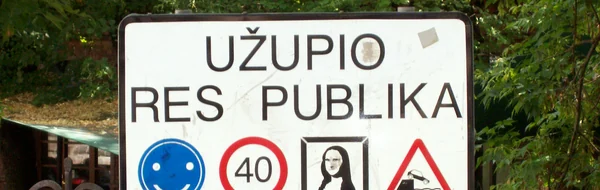
Its Old Town, a UNESCO World Heritage Site since 1994, covers 3.6 square kilometres and contains more than 1,500 historic buildings. The density of baroque churches alone is remarkable: over 70 churches, chapels, and monasteries crowd into a relatively compact area. Yet Vilnius never feels like a museum. It is a living city with serious coffee, good restaurants, and the eccentric Uzupis quarter that declared itself an independent republic in 1997.
Vilnius at a glance
Top attractions in Vilnius
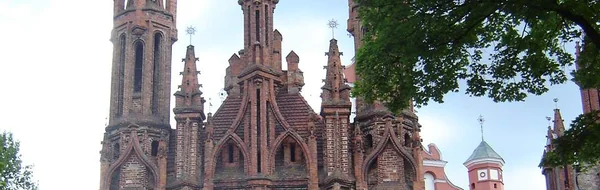
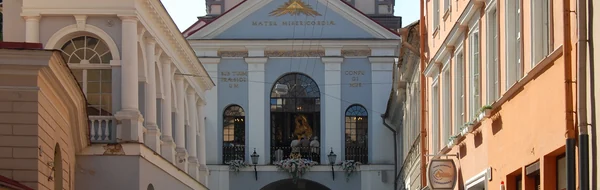
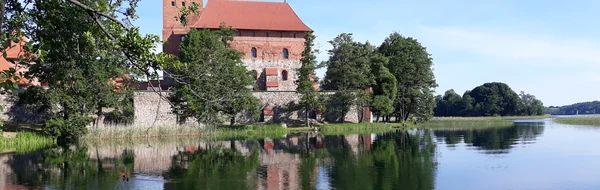
Practical tips for Vilnius
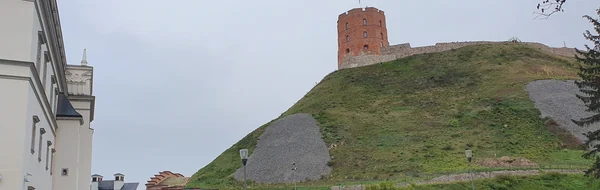
Vilnius Airport has direct flights from over 30 European cities. The Old Town is very walkable - most sights are within 20 minutes on foot of each other. The best way to get a sense of the city quickly is to climb Gediminas Hill on your first evening. Haliu Market (Hales turgus) on Saturday morning is excellent for local food. Most restaurants and bars are concentrated in the Old Town and the Uzupis area. Tipping is appreciated but not obligatory: 10% is standard.
How long do you need in Vilnius?
A practical answer depending on what you want from the trip.
1 day in Vilnius (whirlwind)
Limited time, want the highlights only.
Start at Cathedral Square, climb Gediminas Tower for the panorama, then walk south through the Old Town. St Anne's Church and the Bernardine ensemble, cross the bridge into Užupis, lunch at a courtyard café. Afternoon: Gate of Dawn, Hales Market for a snack, evening dinner of cepelinai. Skip Trakai and the museums.
3 days in Vilnius (recommended)
The right amount for a first visit.
Day 1: Old Town circuit (Cathedral Square, Gediminas Tower, St Anne's, Užupis), evening at a modern Lithuanian restaurant. Day 2: half-day Trakai trip (Island Castle, lake views), afternoon at the MO Museum or KGB Museum, evening Hales Market street food. Day 3: Vilnius University, Literatū gatvė, Frank Zappa statue, coffee crawl through the Vokiečių/Pilies streets, last-night dinner.
5 days in Vilnius (deep dive)
For travellers who want to feel the city.
Days 1 to 3 follow the recommended route. Day 4: day trip to Kernavė (UNESCO archaeological site, 35 km) or Druskininkai (spa town with the Grūtas sculpture park, 130 km). Day 5: slow morning in a specialty café, second pass through favourite Old Town streets, optional half-day cooking class or guided modernist Vilnius walk. Better balance of sights and downtime than the 3-day version.
Where to eat in Vilnius
Vilnius has genuinely outgrown its reputation for heavy Soviet-era food. The city now has creative restaurants with a strong focus on locally sourced ingredients and modern Lithuanian cooking. In the Old Town, look for cepelinai (potato dumplings stuffed with meat and served with sour cream and bacon), cold beet soup with boiled potatoes in summer, and excellent rye bread. The Hales Market (Haliu turgus) is the best place to find street food, fresh produce, and local cheese. For coffee, the city has a strong specialty-coffee culture centred around the areas just outside the Old Town gates.
A city that rewards wandering
One of the best things about Vilnius is that it resists being ticked off a list. Yes, you can walk to Gediminas Tower, photograph St Anne's Church, and find the Stebuklas tile in Cathedral Square in a single morning. But the city reveals itself slowly, through side streets, courtyard cafes, bookshops tucked behind iron gates, and conversations with locals who are quietly proud of what their city has become.
The Old Town is a UNESCO World Heritage Site, but it does not feel like a preserved relic. People live there. Washing hangs between baroque window frames. Children play football in cobbled squares that have hosted coronations and public executions. The layers of history are never far from the surface, but life goes on on top of them with cheerful indifference.
Vilnius was the capital of the Grand Duchy of Lithuania for centuries, one of the most powerful states in medieval Europe. Then it was absorbed into the Russian Empire, occupied by Poland between the wars, devastated by the Holocaust, rebuilt under Soviet planners, and finally, in 1990, it became the capital of a free country again. Every one of those chapters left something behind. The city carries all of it at once.
Getting around
The Old Town is entirely walkable. Most of the major sights are within a 20-minute walk of Cathedral Square. For the rest of the city, buses and trolleybuses cover the main routes cheaply and reliably. Taxis and ride-hailing apps work well. Cycling infrastructure has improved significantly in recent years, and rental bikes are available across the city centre.
The airport is 7 kilometres from the city centre. Bus line 1 and 3G run directly to the Old Town, or a taxi takes around 15 minutes and costs €10 to €15. The train station is a 15-minute walk from Cathedral Square, with direct connections to Kaunas, Klaipėda, and Warsaw.
For arrival planning, compare the airport train, bus, Bolt and taxi options. If you have a long weekend, the 3-day Vilnius itinerary is the easiest way to match sights, meals and side trips without backtracking.
When to visit
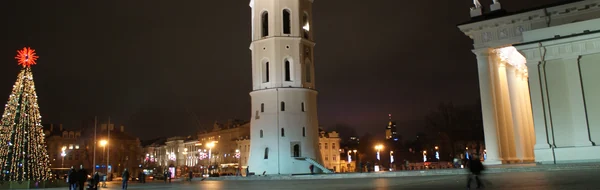
Vilnius is a year-round city. Summer (June to August) is warm, long, and lively, with outdoor dining everywhere and the city at its most social. Spring and autumn are excellent for walking, with fewer tourists and softer light. Winter is cold and sometimes snowy, but the Christmas market in Cathedral Square is genuinely beautiful, and the city's indoor life, its cafes, galleries, and restaurants, comes into its own. Avoid the Midsummer period (around June 24th) if you want accommodation at normal prices: the whole city fills up for Joninės celebrations.
Common mistakes to avoid
- Treating Vilnius as a one-day stop. The city's depth is in slow wandering, not the postcard sights. At least two nights.
- Skipping Užupis because it sounds quirky. The neighbourhood is one of the city's defining experiences and only a 10-minute walk from Cathedral Square.
- Booking accommodation outside the Old Town to save money on a 2-day visit. The savings rarely outweigh the time lost commuting in.
- Visiting in late June without checking dates. Joninės (around June 24) fills accommodation citywide and pushes prices up sharply.
- Renting a car for the city. The Old Town is largely pedestrian, parking is restricted, and trains and buses cover Trakai, Kaunas, and Klaipėda perfectly well.
- Eating only on Pilies and Vokiečių. They are the most touristy streets. Better food is one or two streets in either direction.
- Underestimating the airport bus. Bus 1 or 3G runs every 15 minutes, takes 20 minutes, and costs €1. Taxis at €15 or more are not worth it for solo travellers.
Plan this trip in one place
Use this guide to choose the best area, compare hotels, and book the experiences visitors usually reserve first.
Best for location
Stay central if this is your first trip and you want to cover the main sights on foot.
Best for value
Neighbourhoods just outside the postcard core usually offer larger rooms and easier parking.
Best for experiences
Book one signature tour early, then leave room for food, cafés, and spontaneous wandering.
Where to stay in Vilnius
Compare a few central hotel options before you choose where to stay. Links open in a new tab only when you pick a hotel.
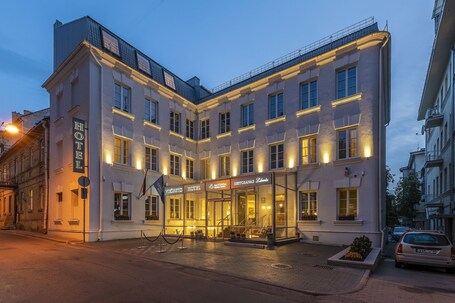 Ratonda Centrum Hotels
€102 1 night View stay
Ratonda Centrum Hotels
€102 1 night View stay
 Moon Garden Old Town Hotel
€76 1 night View stay
Moon Garden Old Town Hotel
€76 1 night View stay
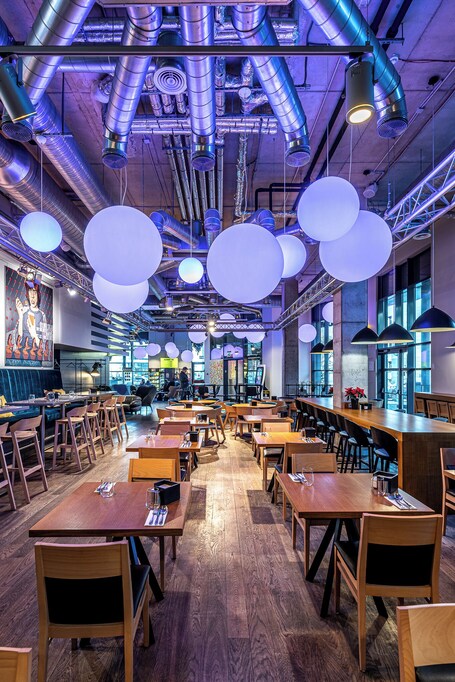 Comfort Hotel LT - Rock 'n' Roll Vilnius
€88 1 night View stay
Comfort Hotel LT - Rock 'n' Roll Vilnius
€88 1 night View stay
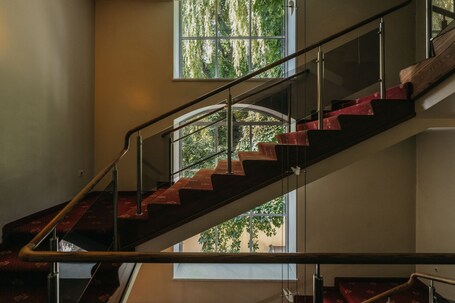 Rinno hotel
€69 1 night View stay
Rinno hotel
€69 1 night View stay
 Corner Hotel
€69 1 night View stay
Corner Hotel
€69 1 night View stay
 Hotel Rinno
€76 1 night View stay
Hotel Rinno
€76 1 night View stay
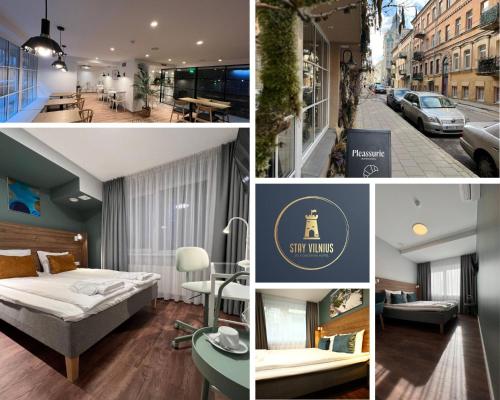 Stay Vilnius Hotel
€66 1 night View stay
Stay Vilnius Hotel
€66 1 night View stay
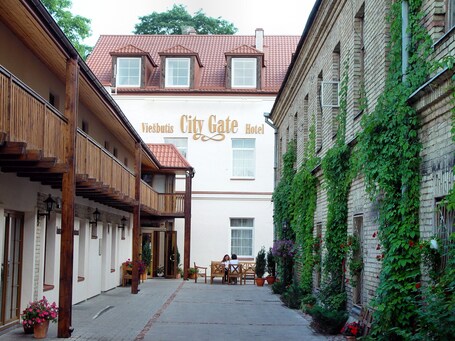 City Gate Hotel
€85 1 night View stay
City Gate Hotel
€85 1 night View stay
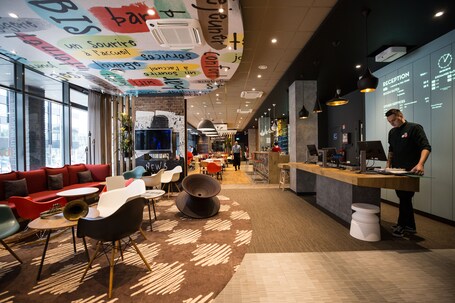 ibis Vilnius Centre
€88 1 night View stay
ibis Vilnius Centre
€88 1 night View stay
 Art City Inn
€72 1 night View stay
Art City Inn
€72 1 night View stay
Frequently asked questions
How many days in Vilnius is enough?
Two days for a quick taste, three days for a proper first visit including a Trakai half-day, five days for travellers who want to settle in. Most visitors regret booking less than two nights.
Is Vilnius walkable?
Yes. The Old Town is entirely pedestrian-friendly, with most major sights within 20 minutes on foot of Cathedral Square. The airport bus and the train station are both close enough that you rarely need a taxi.
How do I get from Vilnius airport to the Old Town?
Bus 3G runs from outside the terminal every 10 minutes, takes 20 minutes to the centre and costs €1 cash to the driver. The Vilnius Airport train to the central station runs around 16 times a day, takes 7 minutes and costs €0.70, then a 10 to 15 minute walk to the Old Town. A Bolt is €5 to €8 in 12 to 18 minutes; the official taxi rank charges roughly €20 to €25 for the same trip.
When is the best time to visit Vilnius?
Late May through mid-September is the best window. June and September avoid the July peak. Christmas markets run mid-November to early January and have their own appeal. Avoid early November and early March (grey, wet, less to do).
Is Vilnius expensive?
Cheaper than Western Europe but no longer the bargain it was 10 years ago. Budget €60-80 per day for backpacker style, €100-150 for mid-range, €200+ for comfort. Restaurants are 30-40% cheaper than equivalents in Berlin or Amsterdam.
Is there a tourist tax in Vilnius?
Yes, €2 per adult per night since January 2024. Children under 18 are exempt; students and persons with disabilities are also exempt. Most international chains include the tax in the booking total. Smaller hotels and guesthouses may charge it separately at check-in, in cash or by card.
Is Trakai worth the trip from Vilnius?
Yes, especially as a half-day. The Island Castle is genuinely beautiful, the train ride is 30 minutes and €2, and Karaim cuisine (kibinai pies) is unique to the area. If you have only one day total in the region, prioritise Vilnius itself.
Can I drink the tap water in Vilnius?
Yes, tap water in Vilnius is safe and good quality. Most locals drink it directly. Restaurants will serve filtered tap water on request.
What language do people speak in Vilnius?
Lithuanian is the official language. Russian is widely understood by people over 35. English is universal in tourism, restaurants, hotels, and most shops in the centre. You will not need any Lithuanian for a normal trip, but learning labas (hello) and ačiū (thank you) is appreciated.